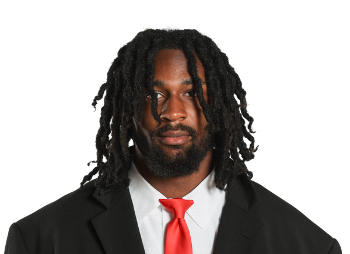
Omar Cooper
 #11IR
#11IROmarCooper#11IR
Recent Game
Sun, Oct 11, 2026
Gamelog




Career Stats
| Year | Team | REC | TGT | YDS | YPT | AVG | TD | CAR | YDS | AVG | TD |
|---|---|---|---|---|---|---|---|---|---|---|---|
| 2026 | NYJ | 1 | 1 | 30 | 30.0 | 30.0 | - | - | - | 0.0 | - |
2026 Fantasy Outlook
The Jets traded up three picks to take Cooper at No. 30 overall, adding another weapon after selecting TE Kenyon Sadiq at No. 16. Both rookies are lauded for athleticism and YAC skills, but neither earned dominant volume within their respective college offenses. Part of that entails competing with other future NFLers, like WR Elijah Sarratt, whose per-game production was superior to Cooper's in both of their seasons together at Indiana. To be fair, Cooper all but closed the gap last year, putting up 69-937-13 in 16 games (86 targets) while Sarratt finished at 65-830-15 in 14 games (85 targets). Cooper improved his draft stock at the 2026 Combine, running a 4.42 40 at 6-foot, 199 pounds. Comparisons to Deebo Samuel are probably wrong -- Samuel was an inch shorter and 15 pounds heavier -- but Cooper is slippery enough to be a major YAC threat without that kind of strength or power. The Jets already get something similar from WR Garrett Wilson, who also offers inside/outside versatility and downfield playmaking. Theoretically, Wilson and Cooper should work well together, with neither having any evident physical limitations. Keeping them both productive in fantasy could be more of a challenge, with the Jets' annual offseason carousel bringing in QB Geno Smith and OC Frank Reich.